
Billboard Advertising vs Online Advertising: Which Is Better for Your Business?

When choosing a marketing strategy, evaluating billboard advertising vs online advertising can significantly influence a company’s visibility and growth. From Facebook and Instagram advertisements to Google Search campaigns and traditional billboards, businesses today have more choices than ever before
Billboard advertising is particularly effective for building physical brand visibility and reaching audiences along busy roads, while online advertising offers precise targeting, interactive engagement, and digital campaign tracking. Rather than choosing one channel exclusively, businesses can combine both approaches to reach customers at different stages of their purchasing journey.
For businesses in Malaysia, the right choice depends on marketing objectives, target audiences, budget, location, and campaign duration. Understanding the differences between billboard advertising and online advertising can help you invest in a strategy that supports your business goals.
At Skyboard Media, we help businesses determine the most suitable campaign duration based on their marketing goals and recommend billboard locations that maximize visibility and long-term brand impact.
What Is Billboard Advertising?
Billboard advertising is a form of out-of-home (OOH) advertising that promotes a business, product, or service through large-format advertisements displayed in physical locations.
Static billboards are commonly positioned along highways, major roads, commercial districts, and other locations where they can be seen by motorists and pedestrians.
Unlike online advertisements, which appear on digital platforms, billboard advertisements reach audiences as they travel through the physical world.
Businesses commonly use billboard advertising to:
- Increase brand awareness among a broad audience.
- Promote new products and services.
- Support property launches and retail promotions.
- Strengthen brand recognition through repeated exposure.
- Establish a visible presence in specific geographical areas.
For example, a property developer launching a residential project in Selangor may use billboards along nearby highways to increase awareness among commuters travelling through the surrounding area.
The effectiveness of the campaign depends on the billboard’s location, visibility, creative design, message, and relevance to the intended audience.
What Is Online Advertising?
Online advertising refers to paid promotional activities conducted through internet-based platforms. Common examples include Google Ads, Facebook Ads, Instagram Ads, YouTube advertising, and other digital advertising networks.
These channels allow businesses to reach audiences based on factors such as location, interests, search behaviour, demographics, and previous interactions, depending on the platform and campaign settings.
Online advertising is commonly used to:
- Generate website traffic and enquiries.
- Promote products directly to potential customers.
- Retarget eligible audiences who previously interacted with a business.
- Measure clicks, conversions, and campaign expenditure.
- Adjust campaign budgets and creative materials during a campaign.
For example, a furniture retailer can run a Google Search campaign targeting people searching for furniture shops in Kuala Lumpur. The retailer can then evaluate campaign performance using metrics such as clicks, enquiries, and online purchases.
However, online advertising performance depends on factors such as competition, targeting, creative quality, website experience, and campaign management.

BILLBOARD ADVERTISING VS ONLINE ADVERTISING: WHAT ARE THE MAIN DIFFERENCES?
The main difference between billboard and online advertising lies in how each medium reaches, engages, and converts its audience. Billboard advertising relies on physical, geographic presence to deliver continuous visual exposure to commuters, drivers, and pedestrians passing through specific physical locations. In contrast, online advertising operates within digital environments—such as websites, search engines, and social media apps—where algorithms and platform settings target users based on their online behaviour, demographics, search history, and specific interests.
Engagement and creative delivery also vary significantly between the two channels. Static billboards deliver concise messages and high-impact visual artwork designed to build brand recall instantly as audiences move past. On the other hand, online advertising supports dynamic, multi-format campaigns—including video, carousel, and interactive ads—that encourage immediate user actions such as clicking links, filling out inquiry forms, or completing purchases directly on a site.
Finally, the two channels differ in performance tracking, campaign management, and overall objectives. Online advertising allows advertisers to make real-time budget adjustments and closely track digital actions through metrics like click-through rates, impressions, and direct conversions. Static billboard advertising focuses on generating broad, persistent local visibility and long-term brand equity, with effectiveness evaluated through traffic volume estimates, regional brand lift, and overall campaign-period inquiry growth. Neither channel is inherently superior; rather, billboard advertising serves best for building physical market authority and brand awareness, while online advertising excels at targeting, direct interaction, and digital lead generation.
Is Billboard Advertising Better for Brand Awareness?
Billboard advertising can be an effective choice for businesses that want to establish a visible presence in a specific area.
A strategically positioned billboard can repeatedly expose commuters and other road users to the same brand message. Over time, this exposure can help customers become more familiar with the business.
Billboards are particularly useful when a company wants to:
- Build awareness in a new market.
- Promote a physical store or showroom.
- Increase visibility around a property development.
- Support a nationwide or regional branding campaign.
- Reinforce an existing marketing campaign.
For example, a retail brand opening a new outlet may advertise along roads leading to the shopping district. Customers who see the advertisement may later recognise the brand when they visit the area or encounter the business online.
However, billboard visibility alone does not guarantee sales. Campaign outcomes also depend on the message, audience, location, product offering, and other marketing activities.
Is Online Advertising Better for Generating Leads and Sales?
Online advertising is often a practical choice when businesses want to encourage measurable digital actions.
A potential customer can click an advertisement, visit a website, submit an enquiry, send a message, or complete a purchase. Advertisers can then use available tracking tools to evaluate the campaign.
Online advertising is particularly useful for:
- Generating enquiries for services.
- Promoting e-commerce products.
- Reaching people searching for specific solutions.
- Testing different advertising messages.
- Tracking conversions and adjusting campaigns.
For example, a training provider can advertise a professional course to relevant audiences and direct interested users to a registration page.
Nevertheless, digital tracking has limitations. Not every conversion can be attributed accurately, and online clicks do not necessarily translate into profitable customers. Businesses should evaluate lead quality, actual sales, and acquisition costs rather than relying solely on clicks or impressions.
How Much Does Billboard Advertising Cost Compared with Online Advertising?
When comparing billboard advertising vs online advertising, cost structures differ significantly between physical locations and digital platforms There is no universal price comparison because the cost structure differs between the two channels.
Billboard advertising costs depend on factors such as:
- Location and visibility.
- Billboard size and format.
- Campaign duration.
- Artwork production and installation requirements.
- Availability of the advertising site.
Online advertising costs depend on factors such as:
- Advertising platform.
- Audience and keyword competition.
- Campaign objective.
- Bidding strategy.
- Creative production and campaign management.
A billboard may require a larger upfront commitment for a specific site and period, whereas online advertising can often begin with a smaller adjustable budget. However, the total cost and value depend on the campaign.
Businesses should compare the expected outcomes rather than price alone.
For billboard campaigns, consider the site’s suitability, estimated exposure, campaign duration, and total production costs. For online campaigns, consider qualified leads, conversion rates, customer acquisition costs, and revenue.
The most cost-effective advertising channel is the one that delivers value against your specific marketing objective—not necessarily the one with the lowest initial price.
Can Businesses Combine Billboard Advertising and Online Advertising?
Yes. Combining both channels can help businesses build awareness offline and capture customer interest online.
A billboard can introduce a brand to people travelling through a particular area, while digital campaigns can provide additional information and encourage customers to take action.
Consider this example of an integrated campaign:
Step 1: Create awareness. A business displays a concise advertisement on a strategically selected billboard.
Step 2: Reinforce the message. The same brand identity and campaign message appear across social media and other suitable digital channels.
Step 3: Capture interest. Customers who become interested can search for the company, visit its website, or interact with its online advertisements.
Step 4: Measure outcomes. The business reviews website traffic, enquiries, campaign-specific landing pages, and other available data to assess performance.
Where appropriate, businesses can use a memorable website address, a campaign-specific landing page, or a trackable promotional code to help evaluate responses. QR codes should only be used where people can scan them safely, rather than encouraging drivers to interact with advertisements while moving.
This integrated approach allows businesses to use billboard advertising for physical visibility and online advertising for digital engagement.
Which Industries Benefit from Billboard Advertising?
Billboard advertising can support a wide range of industries, particularly businesses seeking strong local or regional visibility.
Examples include:
Property development: Promote new residential projects, commercial properties, and showroom launches.
Retail and shopping: Build awareness of new outlets, promotional periods, and seasonal campaigns.
Automotive: Increase brand visibility for vehicle launches, dealerships, and after-sales services.
Education: Promote universities, colleges, professional courses, and student enrolment campaigns.
Healthcare: Build awareness of hospitals, clinics, and relevant healthcare services, subject to applicable advertising requirements.
Food and beverage: Promote restaurant brands, new outlets, and consumer products.
Corporate and financial services: Strengthen brand recognition and establish a visible presence in important business locations.
The most suitable billboard placement depends on where the intended audience travels and whether the advertising message fits the location.
How Can You Measure Billboard Advertising Results?
Although static billboards do not provide the same direct click tracking as online advertisements, businesses can still evaluate their campaigns.
Useful approaches include:
- Reviewing available traffic and site exposure estimates.
- Monitoring enquiries during the campaign period.
- Using campaign-specific landing pages or promotional codes.
- Asking customers how they discovered the business.
- Comparing branded search activity and website traffic before and during the campaign.
- Evaluating sales trends alongside other marketing activities.
For a fair comparison, businesses should establish a baseline before the campaign and consider other factors that could influence results, including seasonality, promotions, and concurrent advertising.
Where possible, compare the total campaign cost with meaningful outcomes, such as qualified enquiries or incremental sales. Avoid assuming that every increase in website traffic or sales was caused by the billboard alone.
Why Choose Skyboard Media?
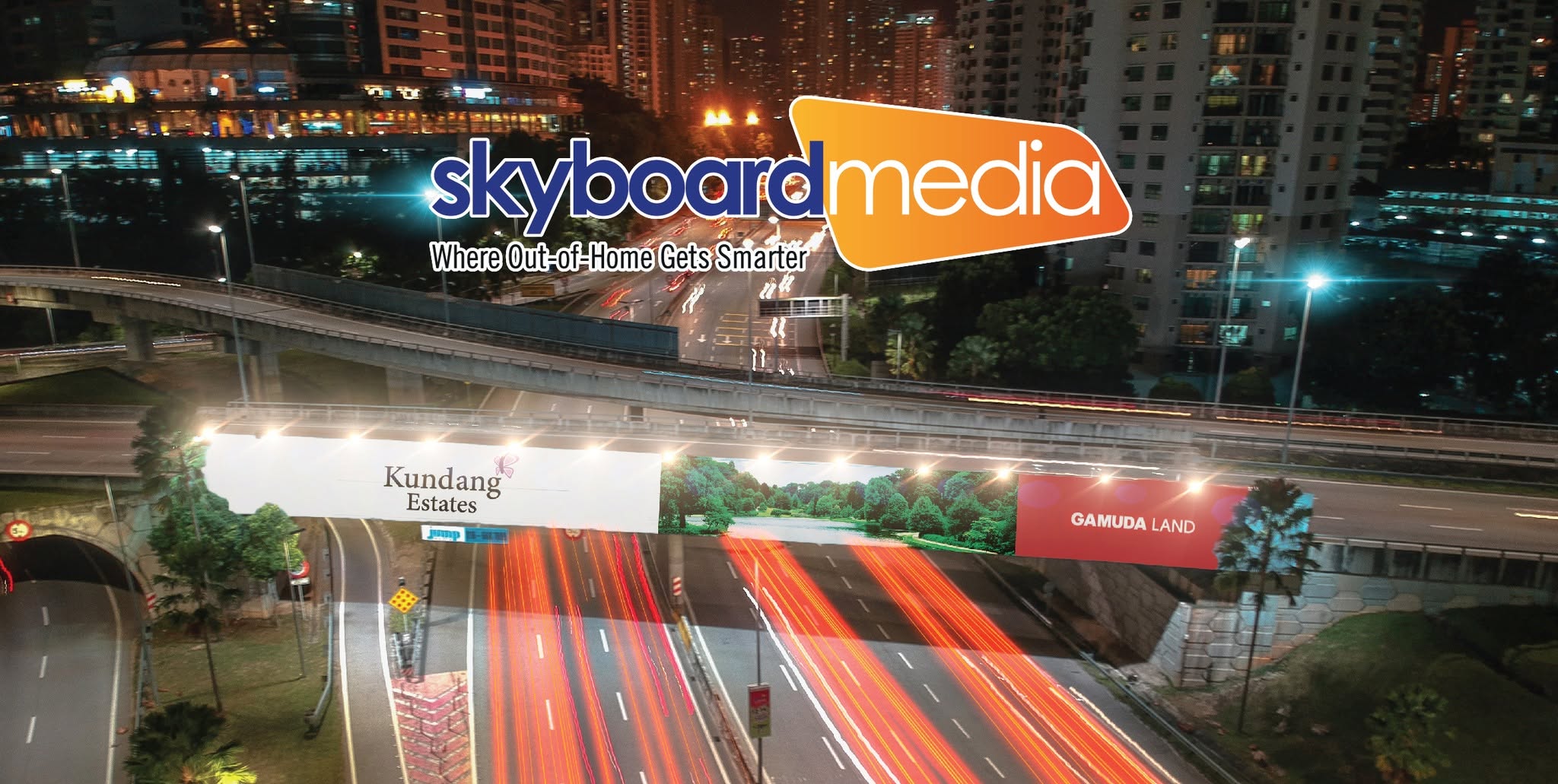
Skyboard Media helps businesses explore static billboard advertising opportunities across Malaysia. Our team can assist with identifying suitable advertising locations and planning campaigns around your marketing objectives, target audience, and budget.
From selecting strategic billboard locations to recommending effective campaign strategies, our experienced team works closely with clients to ensure every advertisement reaches the right audience and supports their marketing objectives.
Whether you are introducing a new product, promoting a property development, expanding your retail presence, or strengthening brand awareness, choosing the right billboard location is an important part of your campaign planning.
We can help you consider the location, visibility, campaign duration, and advertising requirements before proceeding.
If you are already investing in online advertising, billboard advertising can also form part of a broader strategy that connects physical brand exposure with digital engagement.
Request a Billboard Advertising Quotation
Every advertising campaign is unique, which is why billboard advertising costs vary depending on your specific requirements.
If you are planning a billboard advertising campaign in Malaysia, contact Skyboard Media today. Our team will recommend suitable billboard locations, advertising formats, and campaign durations to help you achieve the best possible return on your marketing investment.
FAQ
Is billboard advertising more effective than online advertising?
Neither channel is universally more effective. Billboard advertising can be useful for physical visibility and brand awareness, while online advertising supports digital targeting, direct engagement, and conversion tracking. The best choice depends on campaign objectives.
Is billboard advertising cheaper than online advertising?
Not necessarily. Billboard advertising involves costs such as site rental, production, and installation, while online advertising costs depend on platform competition, campaign settings, and management. Compare total costs against relevant outcomes.
Can small businesses afford billboard advertising?
Potentially, yes. Small businesses can investigate suitable locations and campaign durations that fit their budgets. Availability, pricing, and minimum booking requirements vary by advertising site.
How long should a billboard advertising campaign run?
The appropriate duration depends on the objective, location, budget, and campaign message. Shorter campaigns may suit time-sensitive promotions, while longer campaigns can support ongoing brand awareness.
Does billboard advertising help online sales?
It can contribute to awareness and encourage people to search for a brand or visit its website. However, the effect on online sales should be measured where possible rather than assumed.
Can Skyboard Media help my business select a billboard location?
Skyboard Media can help businesses explore billboard advertising opportunities and identify locations suited to their campaign objectives, audience, and budget.
Key Takeaways
- Understanding billboard advertising vs online advertising shows that both channels serve distinct but complementary purposes in a marketing strategy
- Billboard advertising and online advertising serve different but complementary purposes.
- Static billboards can support physical visibility and repeated brand exposure.
- Online advertising offers digital targeting and tools for measuring clicks and conversions.
- Costs should be evaluated against campaign objectives and business outcomes.
- Combining both channels can create a more connected customer journey.
- Location selection, creative quality, and campaign measurement remain important for successful billboard advertising.
References
- Malaysia Competition Commission (MyCC) — Digital Advertising Services Market Review. This report examines competition and market characteristics in Malaysia’s digital advertising sector.
- AIMS Research — Out-of-Home Research. Provides research and analysis related to outdoor advertising expenditure, site assessment, and campaign effectiveness in Malaysia.
- Communication and Media in Asia Pacific — A Qualitative Analysis of the State of Billboard Advertising Industry in Malaysia. This academic study examines the Malaysian billboard advertising industry, with a focus on traditional static billboards.
